We're James Steven Landscapes & Lawns Ltd, and we build patios and paving for homes in and around Norwich. One of the first questions we get asked is what a new patio will cost, and the honest answer is that it depends on a handful of things. Below we've set out the main patio cost factors so you can see where the money actually goes before you ask anyone for a price.
The main patio cost factors
A patio price isn't one number with a bit added on. It's made up of the slabs themselves, the materials under them, the labour to dig out and lay, and the cost of getting waste away. Change any one of those and the total moves. That's why two patios of the same size on the same street can come out at different prices.
Size and shape
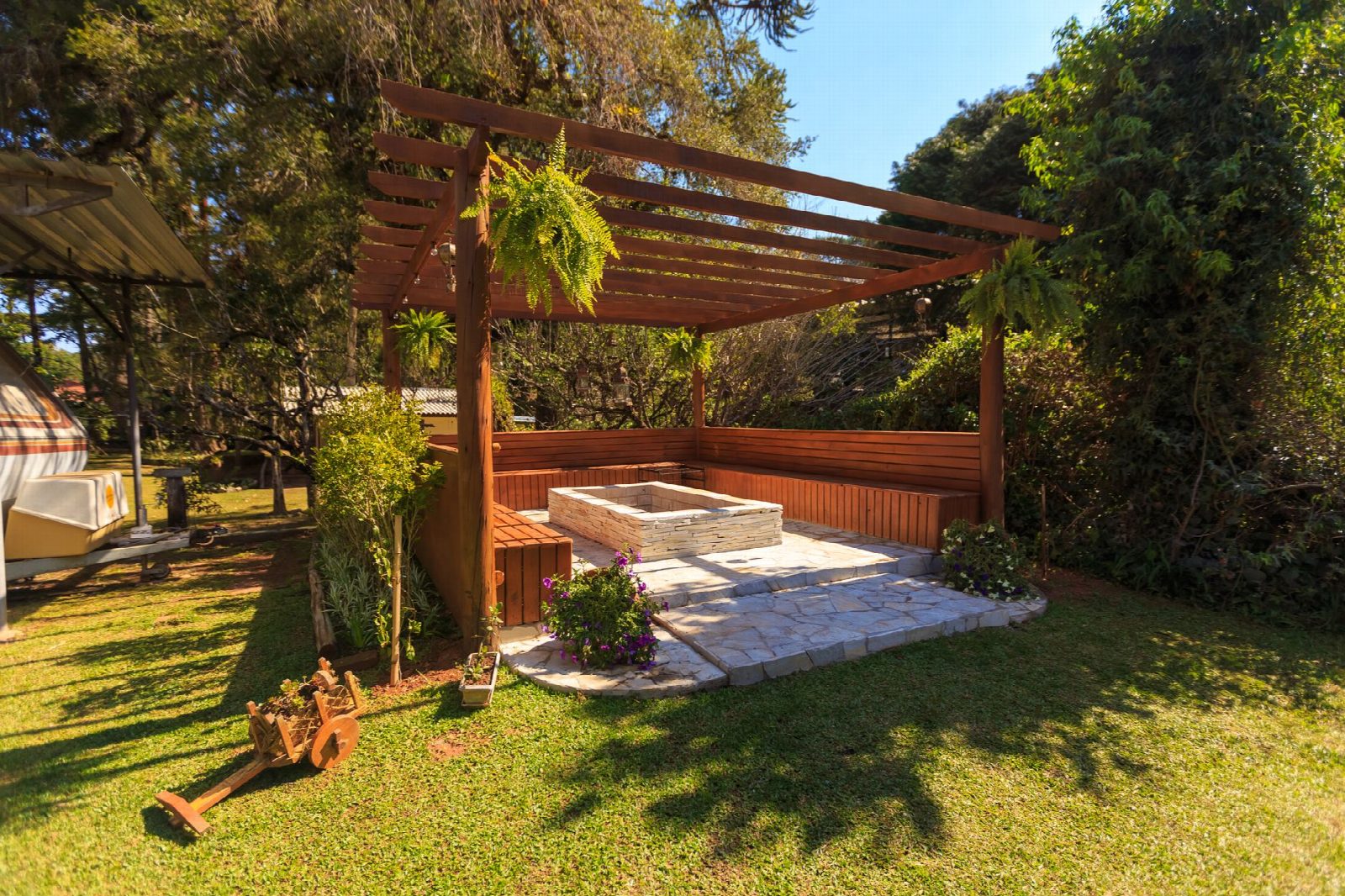
Square metres are the starting point, but shape matters too. A simple rectangle lays quickly because most slabs go down whole. A patio with curves, angles or a circular feature means far more cutting, more waste slabs, and more time on the saw. If you're working to a budget, a straightforward shape gives you more patio for your money.
The paving you choose
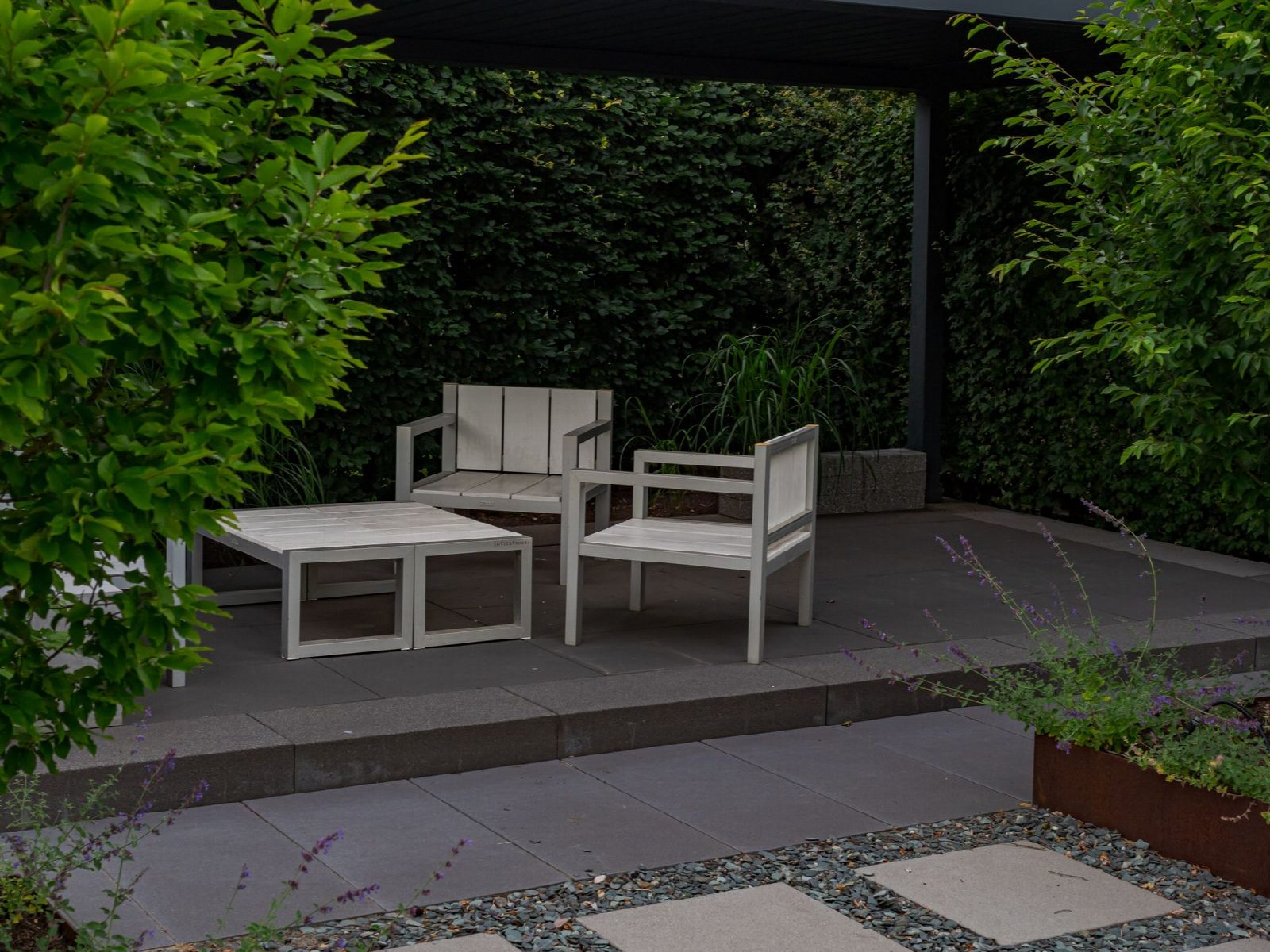
This is usually the biggest single swing in price. Concrete slabs are the cheapest option and come in a huge range of looks now. Natural stone like sandstone and limestone sits in the middle. Porcelain is usually the dearest per square metre, and it also takes longer to lay and cut, so the labour side goes up with it. Thickness and slab size change things as well — large-format slabs look great but they're heavier and often need two people to place each one.
It's worth seeing materials in the flesh rather than on a screen. Colours photograph differently to how they look wet on a Norfolk morning.
What's already there
If we're laying over bare lawn, we dig out the turf and topsoil and take it away. If there's an old concrete slab, broken paving or a shed base in the way, that has to come up and go in a skip first. Breaking out concrete is slower and heavier work than digging soil, and it produces more waste by weight. Removing an existing patio is one of the most common reasons a quote comes in higher than someone expected.
Ground conditions and drainage
The base under a patio does the real work. We dig down, compact a sub-base and lay the slabs on a bed so the surface stays flat and drains properly. Soft or wet ground needs more dig-out and more sub-base to get something solid, and that's extra material plus extra muck to remove.
Water has to go somewhere too. Patios are laid with a slight fall away from the house, and if the ground slopes the wrong way or there's nowhere for water to run, we may need to add a drainage channel or a soakaway. That's an added cost but it's not optional if you want to avoid puddles sitting against your brickwork.
Levels, steps and retaining
Gardens that slope need levelling before a patio goes down. That might mean cutting into a bank, building up with hardcore, or putting in a small retaining wall and steps to link the patio to the rest of the garden. Each of those adds materials and labour. A flat garden is simply cheaper to pave than a sloping one. If your lawn needs attention at the same time, our lawn levelling page covers how we handle uneven ground.
Access to the garden
We need to get materials in and waste out. If there's a drive and a wide side gate, we can barrow straight through or get machinery close. If the only route is a narrow alley or through the house, everything moves by hand in smaller loads. That doesn't change the materials, but it does change how many hours the job takes.
Edges, finishing and extras
The bits around the patio add up: edging courses, a step down to the lawn, a charcoal or contrasting border, jointing compound, and sealing if the material calls for it. Lighting, an outdoor tap, or a slab base for a hot tub or garden room all sit on top of the paving price too. None of these are expensive on their own, but together they can make a noticeable difference.
Getting a price that actually holds
The only way to price a patio properly is to look at the garden. We come out, measure up, check what's under the surface where we can, look at access and talk through materials. That way the figure we give you accounts for the dig-out, the waste, the base and the finish — not just slabs and a day's work.
If you're planning more than paving, it often makes sense to do it all in one visit. Edging a new patio and sorting the fence line at the same time saves setting up twice, and you can see how our fencing work ties in. You can see examples of finished work on our gallery, and our patio and paving page has more on how we build them. If you're outside the city, check areas we cover.
For a look at your garden and a price based on what's actually there, call James Steven Landscapes & Lawns Ltd on 01603 265243.