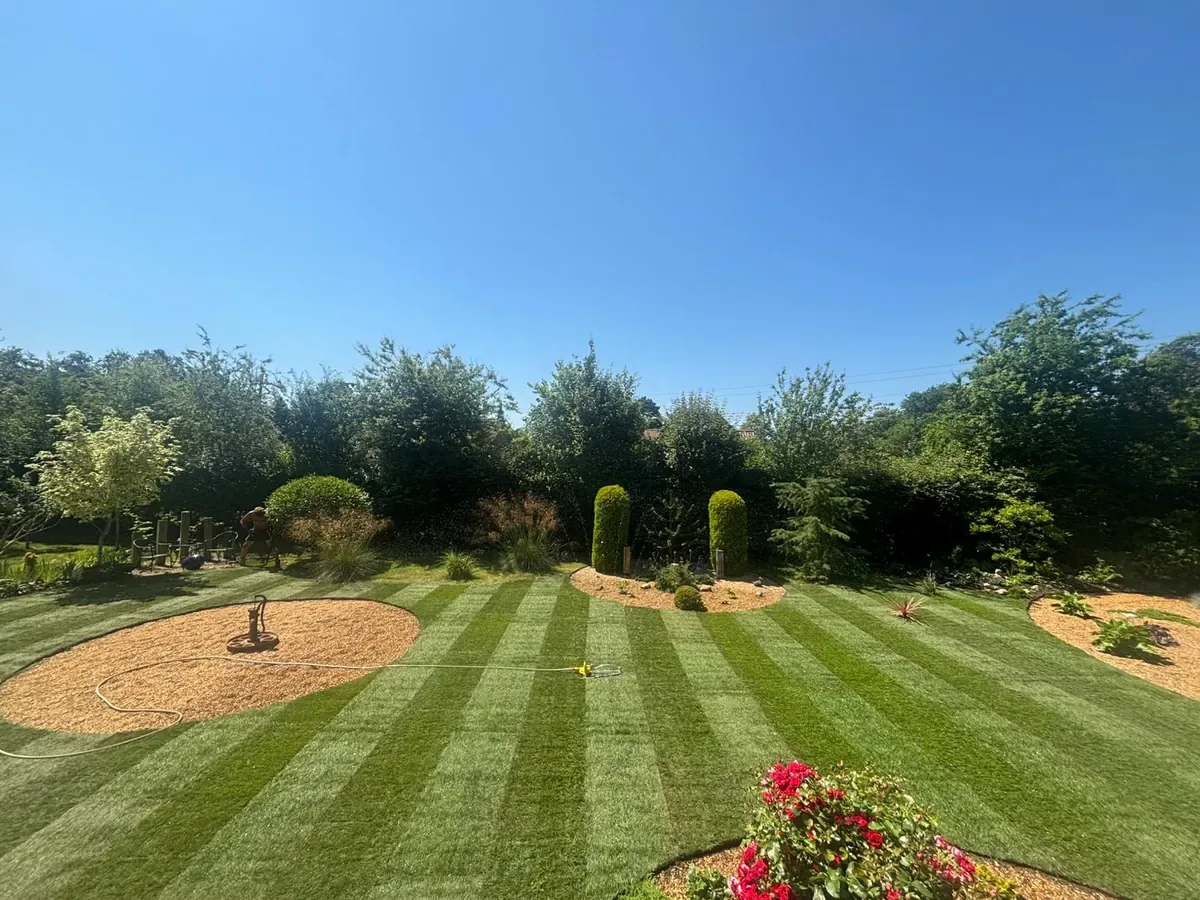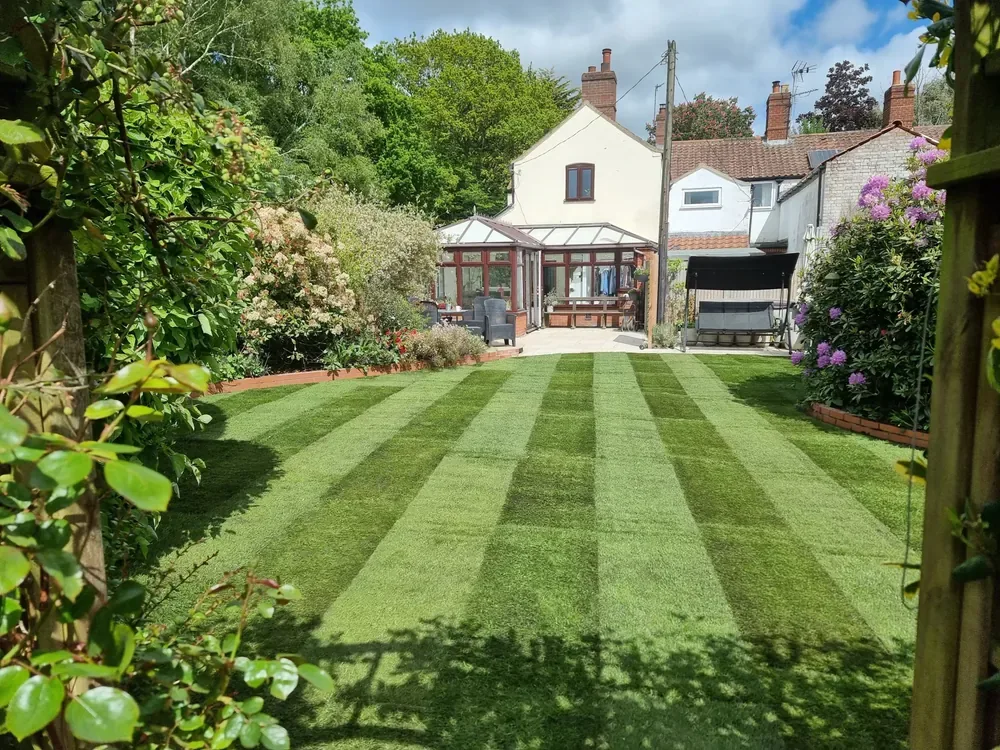
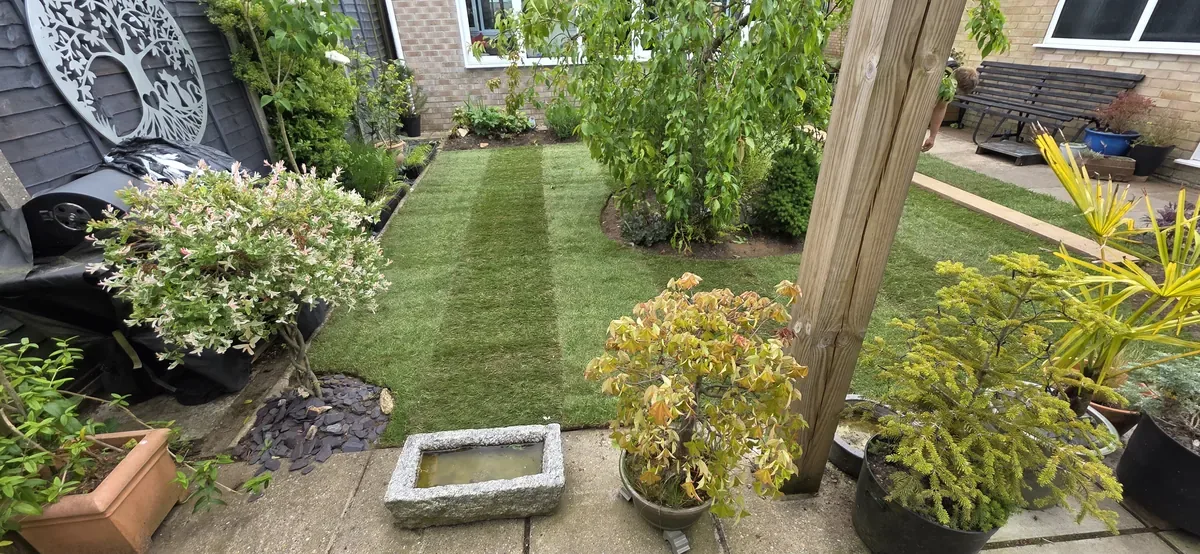
Autumn is the most important season for your lawn, even if it does not look like much is happening above the surface. What you do between September and November in a Norfolk garden has a direct bearing on how your grass performs come spring. Get it right and you head into winter with a lawn that is in good shape. Leave it and you may be dealing with moss, compaction, and bare patches by March.
Key Takeaways
-
Autumn is the best time to address compaction, moss, and bare patches before the ground hardens.
-
Aeration and scarification done now give grass roots room to breathe through winter.
-
A light autumn feed supports root development without pushing soft, frost-vulnerable growth.
-
Norfolk’s clay-heavy soils are particularly prone to waterlogging, so drainage work done in autumn pays off over winter.
-
If your lawn is beyond repair, autumn is a good window for new lawn installation before the ground gets too cold.
Why Does Autumn Lawn Care Matter So Much?
Grass does not stop growing in autumn. It slows, but the root system is still active and still responding to what is happening in the soil. The work you do now, aerating, feeding, overseeding, and clearing, directly supports that root activity through the colder months and gives the lawn a head start when temperatures lift again in spring.
Norfolk’s climate adds its own pressures. The county sits in a relatively dry part of the UK for most of the year, but autumn brings heavier rainfall onto ground that has often been baked hard over summer. That combination, wet weather landing on compacted soil, is exactly the condition that encourages moss and causes waterlogging. Dealing with compaction before the rains really set in is one of the most practical things you can do for your lawn.
Scarification: Clearing Out the Thatch
Thatch is the layer of dead grass, roots, and organic debris that builds up at the base of your lawn over time. A thin layer is not a problem, but once it thickens it starts to block water, air, and nutrients from reaching the roots. Autumn is the right time to scarify because the grass is still actively growing and can recover before winter. Doing it in spring risks stressing the lawn at the wrong time.
You can scarify with a spring-tine rake on smaller areas, but a mechanical scarifier gives a more thorough result on larger lawns. The lawn will look rough immediately after, which is normal. Within a few weeks, with adequate moisture and some overseeding on bare areas, it will recover and look considerably better.
How Does Aeration Help a Norfolk Lawn in Autumn?
Aeration relieves soil compaction by creating small channels in the ground, allowing air, water, and nutrients to reach the root zone. For Norfolk gardens with clay-heavy soil, this is particularly valuable because clay compacts easily under foot traffic and summer heat, then sits waterlogged through winter if left untreated.
The two main methods are hollow-tine aeration, which removes small plugs of soil and is best for heavily compacted ground, and solid-tine aeration, which is less intensive and suits lawns that are moderately compacted. After aerating, it is worth top-dressing with a sandy loam mix to improve drainage long-term. This is especially useful on lawns that sit in lower-lying areas of the garden. If your lawn has persistent drainage issues, lawn levelling may also be worth considering as part of the autumn programme.
Feeding in Autumn: Get the Formula Right
A common mistake is applying the same lawn feed in autumn as you would in spring. Spring and summer feeds are high in nitrogen, which pushes leafy growth. That kind of growth is soft and vulnerable to frost damage. What you want in autumn is a feed higher in phosphorus and potassium, which supports root development and hardens the grass for colder temperatures. Look for a product labelled specifically as an autumn lawn feed.
Apply it in September or early October while the soil still has some warmth in it. Once ground temperatures drop significantly, the grass cannot take up the nutrients effectively. Feeding too late is largely wasted effort.
What Should You Do About Bare Patches and Thin Areas?
Bare patches and thin areas are best addressed in autumn using overseeding. Scatter grass seed over the affected areas after scarifying and aerating, rake it lightly into the surface, and keep it watered if the weather stays dry. Germination is slower than it would be in the warmth of spring, but it does happen, and the seedlings will establish through autumn and be well-rooted by the time winter arrives.
If the patches are extensive, or the lawn has been struggling for several seasons with moss, weeds, and uneven growth, it may be worth considering whether overseeding is really the right approach. A lawn that is more than 50 percent weed or moss is often better stripped and started fresh. Our post on patchy, weedy, or mossy Norfolk lawns covers this in more detail and helps you work out which route makes more sense for your situation.
Mowing Through Autumn
Keep mowing through autumn but raise the blade height slightly. Cutting too short going into winter leaves the grass vulnerable to frost and disease. A height of around 4 to 5 centimetres is a reasonable guide. Keep mowing as long as the grass is still growing, which in Norfolk can be well into November in mild years, but stop if the ground is frozen or waterlogged.
Remove clippings rather than leaving them on the surface. In autumn, when the grass is not growing vigorously enough to break them down quickly, clippings left on the lawn contribute to thatch and can encourage fungal disease.
Is Autumn a Good Time to Lay a New Lawn?
Autumn is actually one of the better windows for laying new turf, provided you act before the ground gets too cold. September and October tend to offer good conditions: the soil still holds some warmth from summer, there is usually adequate moisture from rainfall, and the cooler air temperatures reduce the stress on newly laid turf. You can read more about timing in our post on the best time of year to replace your lawn in Norwich.
The key requirement, as with any time of year, is proper ground preparation. The soil needs to be cleared, levelled, and cultivated before the turf goes down. Laying turf onto poorly prepared ground is one of the most common reasons new lawns fail. Our post on how to prepare the ground for a new lawn in Norfolk walks through what that preparation involves and why each step matters.
If you are thinking about a new lawn this autumn and want a straightforward conversation about whether it is the right time for your garden, get in touch. We cover Norwich and the surrounding Norfolk area and can usually give you a clear steer based on a photo and a brief description of your space.
Frequently Asked Questions
When should I stop mowing my lawn in autumn?
Keep mowing as long as the grass is still actively growing, which in Norfolk can be into November during mild autumns. Raise the blade to around 4 to 5 centimetres and stop mowing if the ground is frozen or waterlogged. Cutting a frozen lawn causes real damage to the grass.
Can I lay turf in October in Norfolk?
Yes, October is a workable window for turf laying in Norfolk, provided the ground is not already frozen and proper preparation is carried out first. Soil temperatures in October still hold enough warmth to support early rooting. November becomes riskier as temperatures drop, but it is not impossible in a mild year.
Is it worth scarifying a lawn that is mostly moss?
If moss covers more than half the lawn, scarifying alone is unlikely to give you a good result. Removing the moss reveals bare soil beneath, and without addressing the underlying cause, whether that is compaction, shade, or poor drainage, the moss will return. A fresh start with new turf or seeding is often the more practical option.
What is the difference between autumn and spring lawn feed?
Autumn feeds are formulated to be higher in phosphorus and potassium, which support root strength rather than leafy growth. Spring feeds are higher in nitrogen and push the rapid top growth you want in the growing season. Using a spring feed in autumn encourages soft growth that is vulnerable to frost damage.
Do I need to aerate my lawn every year?
Not necessarily. Lawns that receive heavy foot traffic, or those on clay-heavy soil, benefit from annual aeration. Lighter-use lawns on sandier ground may only need it every two or three years. If water is pooling on the surface after rainfall, that is a reliable sign that aeration is overdue.