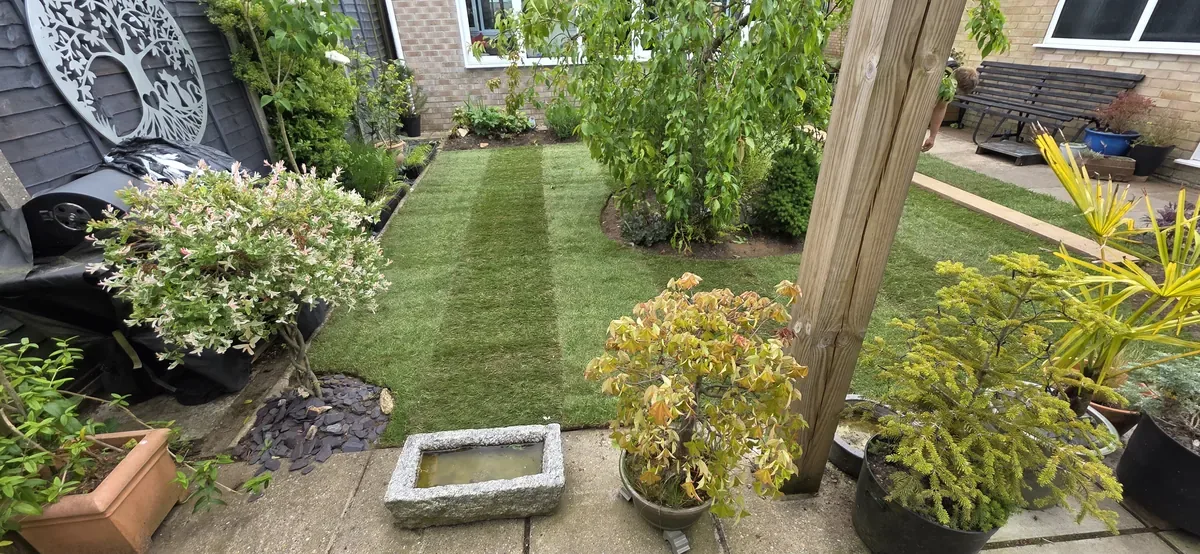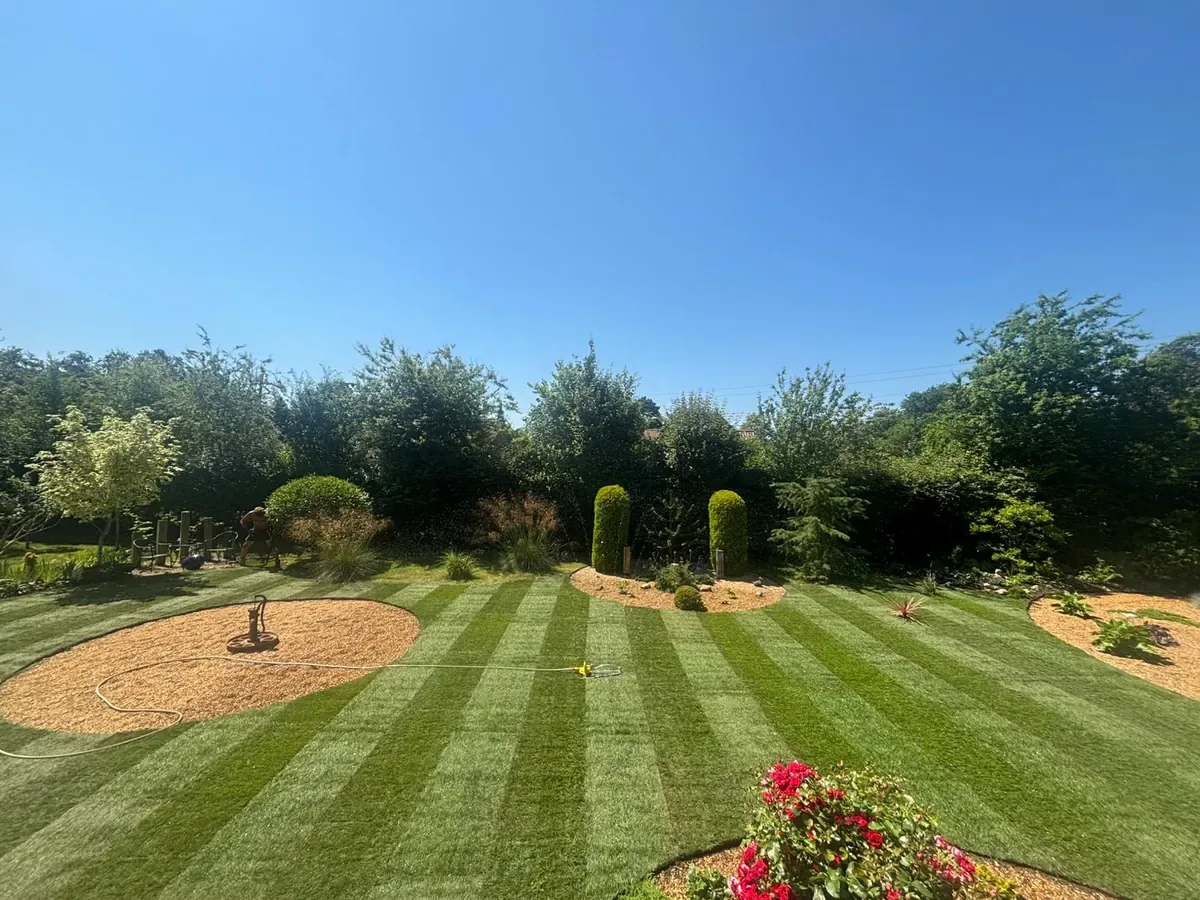
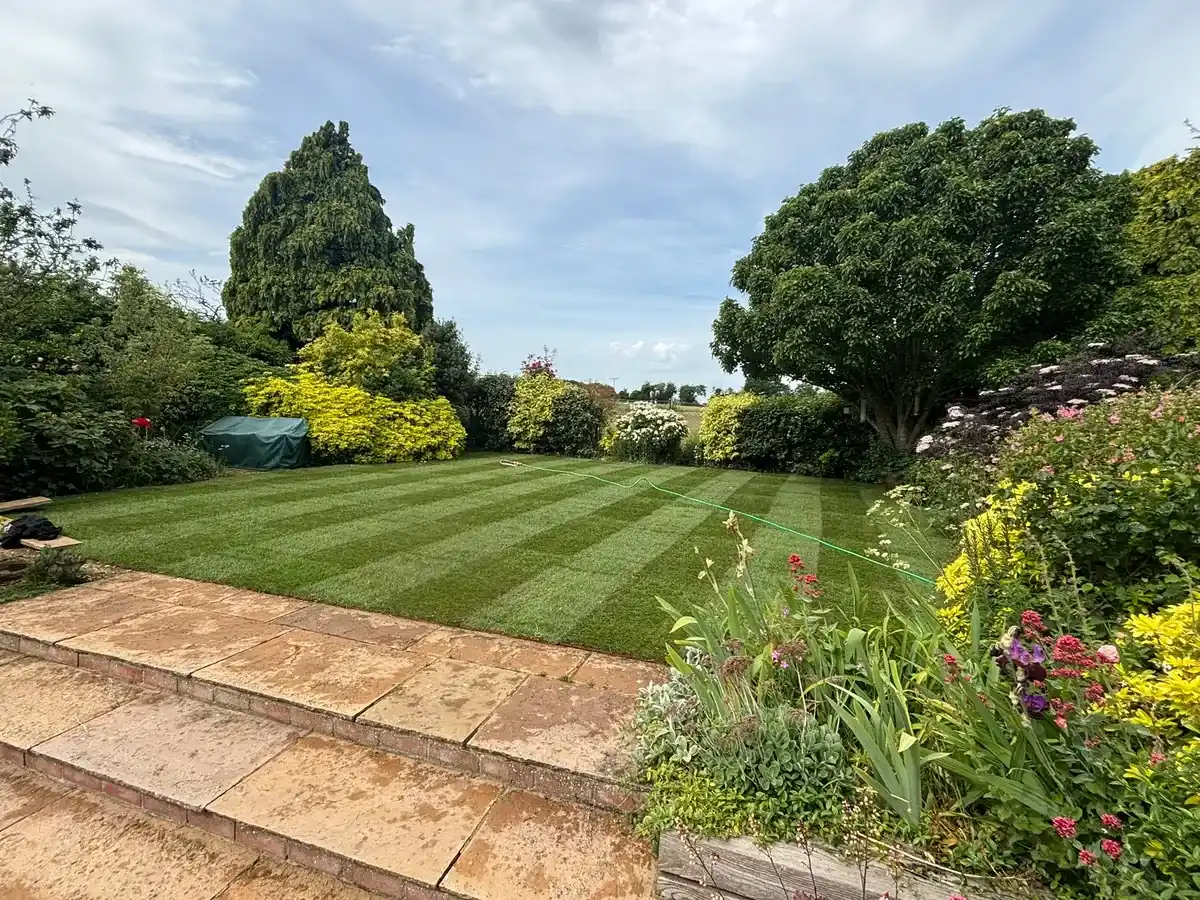
If you’re thinking about replacing your lawn, timing matters more than most people realise. Lay turf at the wrong point in the year and you’re fighting against the conditions from day one. Get it right and the grass establishes quickly, roots down properly, and you end up with a lawn that holds up through the seasons. Here’s what we’ve found works best for Norwich and the surrounding Norfolk area.
Key Takeaways
-
Autumn and spring are the best times for Norwich turfing, with autumn being the preferred choice for most gardens.
-
Summer turfing is possible but carries a higher risk of stress and failure without consistent watering.
-
Soil temperature matters more than air temperature when it comes to root establishment.
-
Ground preparation is the single biggest factor in how well new turf performs, regardless of season.
-
New turf typically needs four to eight weeks to establish before it can take regular foot traffic.
When Is the Best Time to Lay Turf in Norwich?
The best time to lay turf in Norwich is autumn, roughly September through to early November. Soil is still warm from summer, rainfall increases naturally, and the turf isn’t under heat stress. This combination gives roots the best chance to establish before winter sets in, which means you’ll have a strong, settled lawn ready to grow away in spring.
Spring, from March through to May, is the second best window. The ground is warming up, growth is picking up, and there’s usually enough rain to keep new turf from drying out. The main risk in spring is that a dry spell can arrive before the roots have taken hold, so you need to be prepared to water consistently if the weather turns.
Why Autumn Works So Well
Autumn turfing benefits from a combination of factors that are hard to replicate at other times of year. The soil retains warmth from the summer months, which encourages root growth even as air temperatures drop. Rain tends to arrive more reliably, reducing the watering burden on you. Grass growth slows above ground, which means the plant puts more energy into rooting rather than leaf production. For most Norwich gardens, booking a new lawn installation in September or October gives the best long-term results.
Spring Turfing in Norfolk
Spring is a solid second choice, and for many homeowners it makes practical sense. You want the garden looking good for summer, and a spring installation gives you that if conditions cooperate. The key is acting early in the season rather than leaving it until May. By late spring, temperatures are rising and the risk of dry spells increases. If you’re going for spring, aim for March or April and have a watering plan ready.
What About Summer and Winter Turfing?
Summer and winter turfing are both possible but come with significant caveats. In summer, heat and dry conditions put new turf under stress before it has had time to root properly. In winter, cold and waterlogged ground can prevent establishment entirely.
Summer turfing can work if you’re committed to watering once or twice a day and the turf is laid quickly after delivery. In practice, many people underestimate how demanding this is, and the turf suffers. If you’re set on a summer installation, be realistic about the time and effort involved. Winter turfing is generally not recommended in Norfolk. The ground can become waterlogged, and cold soil means root growth effectively stops. There are exceptions, such as a mild, dry January, but it’s a risk that rarely pays off.
How Does Ground Preparation Affect Timing?
Good ground preparation is the foundation of any successful turfing job, and it matters more than the time of year you choose. Without proper preparation, even turf laid in ideal autumn conditions will struggle. The ground needs to be cleared of old growth, levelled, and given enough topsoil to support root development.
We always start by stripping back the existing lawn or vegetation, then working the soil to break up compaction. If the ground is uneven, that needs to be addressed before anything goes down. You can read more about this process in our guide on how to prepare the ground for a new lawn in Norfolk. Getting this stage right takes time, but it’s what separates a lawn that lasts from one that looks patchy within a season. If your soil is particularly poor or the garden has drainage problems, lawn levelling may be needed before turf can go down.
Is Seeding an Alternative to Turfing?
Seeding is a lower-cost option that works well in the right conditions, but it has different timing requirements. Seed needs warmth to germinate, which makes late spring and early autumn the best windows. It also takes longer to establish than turf, and the lawn will be out of use for longer.
For gardens that need a result quickly, or where the ground has been heavily used and is already compacted and bare, turf tends to be the more practical choice. If you’re weighing up the options, our lawn seeding page explains what’s involved and when seeding makes sense. Some situations call for a combination approach, seeding smaller patches while turfing the main area, and we’re happy to advise on what will work for your garden specifically.
What Should You Do If Your Lawn Is Already Struggling?
If your current lawn is patchy, mossy, or full of weeds, it’s worth understanding why before deciding on the solution. Sometimes the underlying cause, whether that’s compaction, shade, drainage, or poor soil, needs addressing first. Laying new turf over a poorly prepared or poorly draining base will produce the same problems before long.
Our blog post on patchy, weedy or mossy lawns covers the most common causes and what to do about them. In many cases, a full replacement with proper ground preparation is the most efficient long-term fix. If you’re unsure what’s causing the problem, send us a photo and we’ll give you a straight answer on the best next step.
Frequently Asked Questions
Can turf be laid in Norwich during winter?
Winter turfing is generally not advisable in Norfolk. Cold, waterlogged soil prevents roots from establishing, and there’s a real risk of the turf failing before it ever gets going. Mild, dry spells in December or January can occasionally work, but autumn or spring installations are a much safer bet.
How long does new turf take to establish in Norfolk?
Most new turf takes four to eight weeks to root down sufficiently for regular use. During this period, watering is essential if conditions are dry, and the lawn should be kept off as much as possible. After the first mow, the grass starts to knit together and becomes more resilient.
Does the time of year affect the cost of Norwich turfing?
The season doesn’t typically change the cost of the turf or the labour involved. What can affect cost is the amount of ground preparation required and the size of the area. We provide clear, upfront quotes before any work starts, so there are no surprises. You can find out more about what we cover on our areas we cover page.
What’s the difference between turf and seeding for a new lawn?
Turf gives you an instant result and is usable within weeks. Seeding is cheaper but takes longer to establish, often three to four months before the lawn is fully usable. Seeding is also more vulnerable to birds, dry spells, and weed competition in the early stages. The right choice depends on your budget, timeline, and the condition of the ground.
How much topsoil does a new lawn need in Norfolk?
As a general rule, new turf needs at least 100mm of good quality topsoil to root into properly. Norfolk soils can vary significantly, from heavy clay to sandy loam, and some gardens need more topsoil than others. We assess this as part of the preparation process and advise on what’s needed for your specific ground conditions.